How to get to Bibione lighthouse: history & practical guide
The lighthouse that guards the Tagliamento river mouth
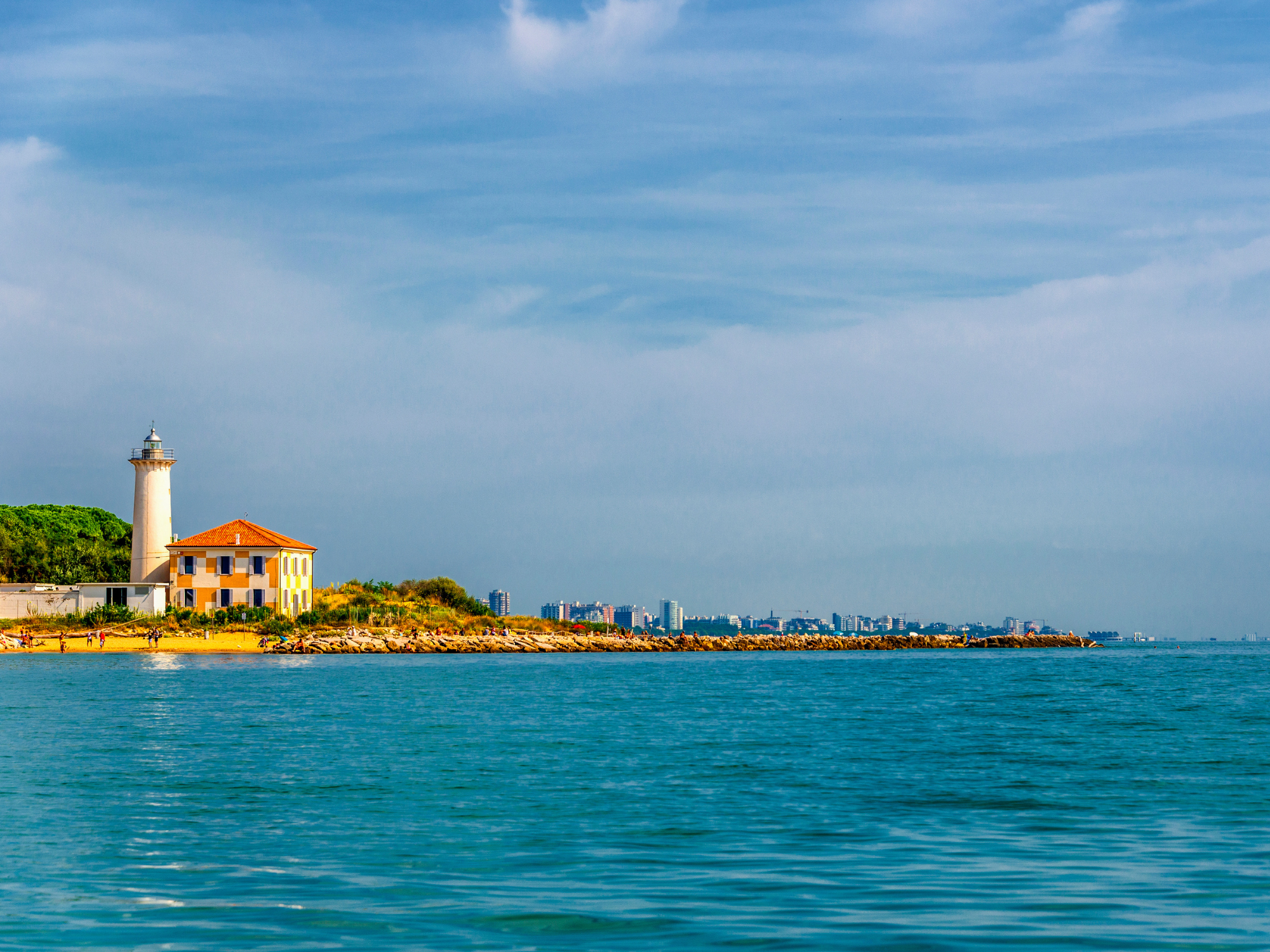
Standing tall on the Venetian shore where the Tagliamento river meets the Adriatic Sea, the Bibione Lighthouse—also known as Faro di Punta Tagliamento—marks the natural boundary between two Italian regions. This white cylindrical tower rises approximately 25 meters above a landscape shaped by water, sand, and centuries of human perseverance. Have you ever wondered what it feels like to stand at the exact point where a river’s journey ends and the vastness of the sea begins?
The lighthouse serves as a maritime beacon for vessels navigating toward Marina Punta Verde, the tourist harbor located on the opposite bank in Lignano Sabbiadoro. Its white light, visible up to 15 nautical miles, pulses rhythmically through the night, offering reassurance to sailors approaching this dynamic coastal environment. The river mouth itself presents a constantly changing seascape: sandbars shift with tides and storms, creating navigational challenges that make the lighthouse’s presence not merely symbolic but genuinely practical. For visitors arriving by land, the structure represents something equally valuable—a destination that rewards the journey with breathtaking panoramas and a profound sense of place.
From marshland to tourist paradise: the transformation of Bibione
Imagine a landscape once dominated by stagnant waters, mosquitoes, and the ever-present threat of malaria. This was Bibione before ambitious reclamation projects transformed over 10,000 hectares of marshland into productive territory. The area was naturally enclosed: the Tagliamento to the east, the Lugugnana canal to the north, the Litoranea Veneta to the west, and the Adriatic to the south created a water-locked zone that seemed destined to remain uninhabitable.
The systematic drainage and land recovery efforts divided the territory into seven distinct basins, each carefully engineered to remove excess water and create stable ground. Infrastructure followed: roads connected previously isolated areas, electrical networks brought power, and water systems provided fresh water to what had been a salt-affected zone. This remarkable transformation didn’t happen overnight—it required decades of coordinated effort and significant investment.
The tourism boom that followed changed everything. What was once considered worthless swampland became one of Italy’s most visited beach destinations. The lighthouse, built to serve the new harbor facilities, witnessed this extraordinary metamorphosis firsthand. Today, Bibione welcomes families, couples, and nature lovers who walk the same ground that was once impassable, enjoying a coastline that blends natural beauty with thoughtful human intervention.
Architecture and maritime function of the lighthouse
The lighthouse’s design embodies functional simplicity. Its white cylindrical tower attaches to a modest rectangular building, creating a composition that balances vertical drama with horizontal stability. The architectural language is deliberately understated—clean lines, minimal ornamentation, and a color palette that harmonizes with the coastal environment rather than competing with it.
Technically, the lighthouse operates with a light signal that completes its cycle every 10 seconds, projecting white light across the dark waters. While modern navigation technology has reduced reliance on traditional lighthouses, this structure continues to serve boats approaching the river mouth, particularly during nighttime navigation. The entrance to the canal requires careful attention: sandbars form and reform, especially after winter storms or river floods, creating shallow areas that can surprise unwary captains.
Inside, restoration work has transformed the lighthouse from a purely functional structure into a cultural space. The interior now hosts photography exhibitions, art displays, and musical events during warmer months, breathing new life into rooms once dedicated solely to maritime operations. Guided tours allow visitors to climb the tower and experience the panoramic views that lighthouse keepers once monitored daily. From this elevated perspective, you can truly appreciate how the river, sea, beach, and pine forest converge in a single extraordinary landscape.
A natural paradise where land meets sea
What makes the lighthouse area truly special isn’t just the structure itself but the ecological richness surrounding it. This coastal zone brings together multiple habitats in close proximity: sandy beaches give way to Mediterranean scrubland, which transitions into dense pine forest, while the river mouth creates brackish conditions that support unique plant and animal communities. Motor vehicles are prohibited here, a restriction that has preserved the area’s natural character and allowed native vegetation to thrive undisturbed.
The interconnected ecosystems include connections to the Lovi Lagoon and Val Grande, creating corridors for wildlife and maintaining biological diversity. Sand dunes stabilize the coastline, their specialized grasses anchoring loose sand against wind and waves. The pine forest provides shade and habitat, its resinous scent mingling with salt air to create Bibione’s distinctive coastal atmosphere. Birdwatchers find the area particularly rewarding, as the river mouth attracts both resident and migratory species.
Walking through this protected landscape, you’ll notice how the environment changes with every few steps. The open beach transitions to sheltered dunes, then to shaded forest paths where the temperature drops noticeably. The soundscape shifts too—from crashing waves to rustling pine needles to the gentle flow of river water. This natural variety, preserved within easy reach of Bibione’s tourist facilities, offers a rare opportunity to experience genuine coastal wilderness without venturing far from comfort and services.
How to get to Bibione Lighthouse: practical routes and access points
Reaching the lighthouse requires leaving your car behind—a deliberate choice that transforms the journey into part of the experience. The structure sits at Bibione’s eastern extremity, where the beach ends and the river begins, accessible only by foot or bicycle. This restriction isn’t an inconvenience but rather an invitation to slow down and engage with the landscape at a human pace.
Three main routes lead to the lighthouse, each offering distinct perspectives:
- Beach route: Walk eastward along the sandy shore from any of Bibione’s main beach areas. The lighthouse gradually comes into view as you approach the river mouth, with the journey taking 20-40 minutes depending on your starting point and walking pace.
- Cycle path from Lido dei Pini: A well-maintained bike path connects directly to the lighthouse, offering a smooth, scenic ride through pine forest and coastal vegetation. This route is particularly pleasant during summer mornings or late afternoons.
- Pedestrian paths from nearest parking areas: Via Procione and Piazzale Zenith provide the closest parking facilities. From either location, follow clearly marked signs directing you toward the lighthouse along dedicated pedestrian routes.
The lighthouse area typically opens to visitors during spring and summer months, with external grounds accessible throughout the day and interior spaces available during scheduled visiting hours. Special shuttle services have been organized for guests with mobility challenges, connecting accessible points with the lighthouse vicinity. For current opening times, guided tour schedules, and special events—including the popular summer exhibitions and concerts—check with official Bibione tourism information before planning your visit.
The journey to the lighthouse becomes a memorable part of your Bibione experience, whether you choose the meditative rhythm of walking barefoot on sand or the gentle exertion of cycling through fragrant pine groves. Either way, you’ll arrive with a deeper appreciation for this special corner of the Adriatic coast.
Your Bibione adventure starts at Hotel Astoria
Exploring the Bibione Lighthouse and its surrounding natural beauty becomes even more rewarding when you have the perfect base for your stay. After a day of cycling through pine forests or walking along the shore to reach this historic landmark, you’ll appreciate returning to a place where genuine hospitality meets practical comfort.
At Hotel Astoria, we’ve been welcoming guests like you for generations, offering the ideal starting point for discovering everything Bibione has to offer. Our central location near Piazza Fontana and just steps from the beach means you can easily access the cycle paths leading to the lighthouse while enjoying all the comforts of a family-run hotel that truly cares about your experience.