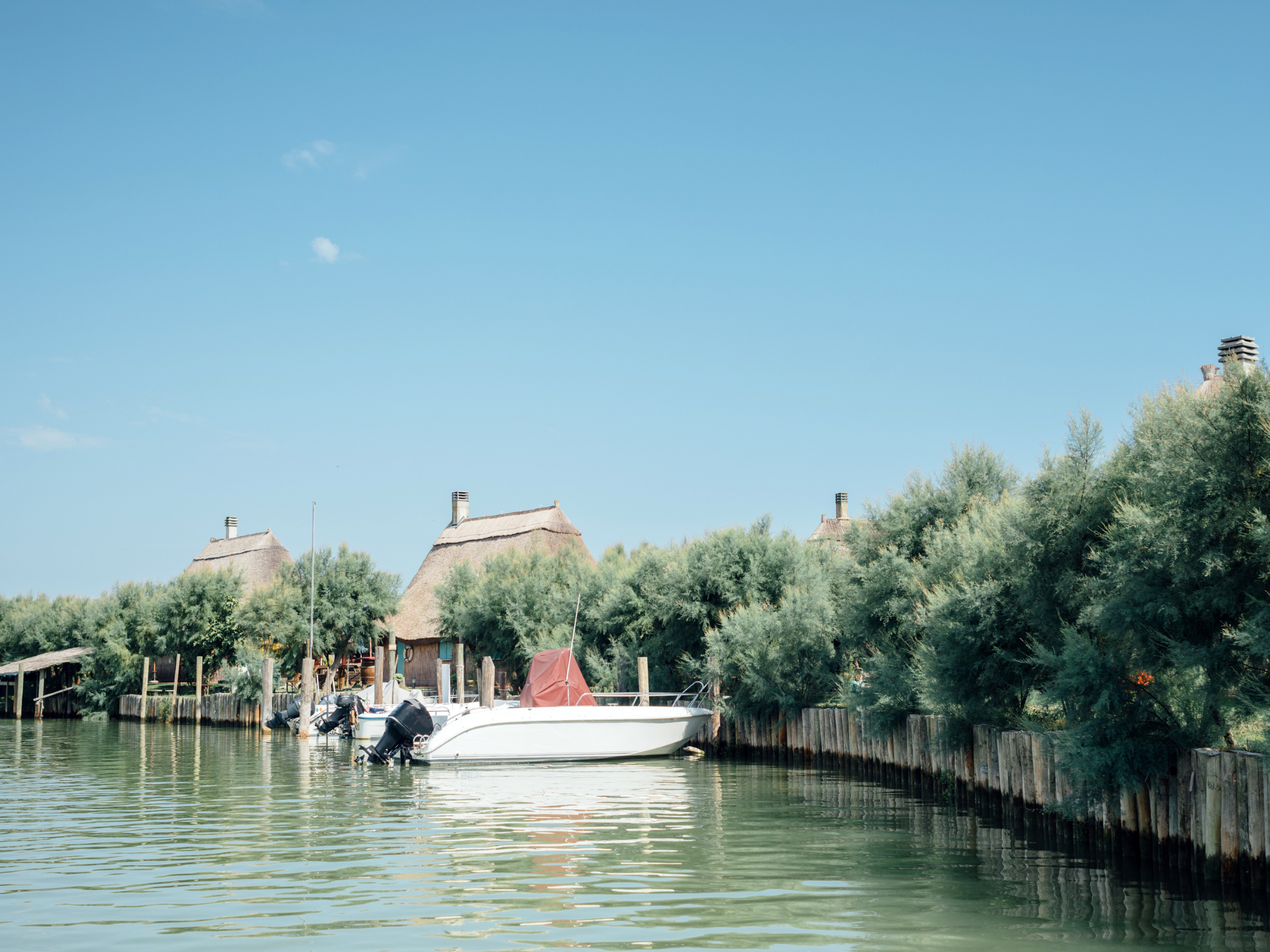
Casoni fishing huts Bibione: discover lagoon traditions
Have you ever wondered what those charming wooden huts scattered across Bibione’s lagoon islands really are? The casoni fishing huts in Bibione represent a fascinating piece of local heritage, telling stories of fishermen who once spent months living and working in these simple shelters. Built entirely from wood and marsh reeds, these traditional structures blend seamlessly into the lagoon landscape, standing as silent witnesses to centuries of fishing traditions.
When you explore the waterways around Bibione, you’ll notice these distinctive pyramid-roofed huts dotting the horizon among the reeds and channels. They weren’t just temporary shelters—they were the fishermen’s seasonal homes, equipped with everything needed for survival in the lagoon’s unique environment. Today, these casoni fishing huts offer visitors a rare glimpse into authentic Venetian fishing culture, connecting past traditions with present-day appreciation for sustainable living and local heritage.
What makes casoni fishing huts unique in Bibione’s lagoon
Picture yourself gliding through Bibione’s tranquil lagoon waters, and suddenly you spot them: rustic huts rising from small islands, their peaked roofs silhouetted against the sky. These are the casoni fishing huts in Bibione, architectural treasures that have defined the lagoon landscape for centuries. What sets them apart from ordinary fishing shelters? Their remarkable ability to exist in harmony with one of Europe’s most delicate ecosystems.
Unlike conventional buildings, casoni emerge organically from their surroundings, constructed entirely from materials the lagoon itself provides. They stand on isolated islands and along winding channels, positioned strategically where fish migrations and tidal patterns created optimal fishing conditions. The fishermen who built them possessed intimate knowledge of the lagoon’s rhythms—they knew exactly where to place each structure to maximize catches while minimizing exposure to harsh weather.
These huts represent more than practical fishing stations; they embody a philosophy of living lightly on the land. Every casone tells a story of self-sufficiency, of men who spent entire seasons away from their families, relying solely on what the lagoon offered. The structures blend so naturally into the marshland vegetation that from a distance, they almost disappear among the reeds and grasses, becoming part of the landscape rather than imposing upon it.
How fishermen built and used these traditional shelters
Building a casone required skill, patience, and deep understanding of local materials. Fishermen would select sturdy wooden poles as the primary framework, driving them deep into the muddy lagoon floor to create a stable foundation. Can you imagine constructing a home knowing it must withstand winter storms and summer heat using only what nature provides within walking distance?
The interior layout reflected pure functionality. A single rectangular room served all purposes—sleeping, cooking, eating, and storing essential tools. Fishermen slept on simple wooden planks or rough boards, far from luxurious but perfectly adequate after exhausting days hauling nets and checking traps. At the room’s center, they built a basic hearth using bricks or stones gathered from the surroundings, creating a focal point that provided warmth during cold nights and a cooking surface for preparing the day’s catch.
Daily life in a casone followed the lagoon’s natural schedule. Fishermen rose before dawn to check their nets and traps, returning to the hut during midday heat or when weather turned threatening. Fishing equipment stayed outside, protected under simple coverings, while boats found shelter in calm inlets sheltered from prevailing winds. This lifestyle demanded resilience and adaptability—qualities these humble structures both required and fostered in the men who inhabited them seasonally.
The distinctive architecture of reed and wood construction
The construction technique of casoni fishing huts showcases ingenious adaptation to environmental constraints. The characteristic pyramid-shaped roof isn’t merely aesthetic—it serves crucial practical functions, shedding rain efficiently while offering minimal resistance to the strong winds that sweep across the exposed lagoon. Marsh reeds, abundant throughout the area, form both walls and roofing material, woven tightly together to create surprisingly effective weatherproofing.
This building method has remained essentially unchanged across centuries, proving its effectiveness through generations of use. The outer layer of reeds requires renewal every few years as weather and time take their toll, but this maintenance cycle actually ensures the structure’s longevity. Fresh reeds provide better insulation and water resistance, while the replacement process allows for repairs to the underlying wooden framework.
The materials’ natural properties contribute to the casoni’s remarkable durability:
- Reeds provide excellent thermal insulation, keeping interiors cool in summer and retaining warmth in winter
- The natural oils in marsh plants offer water resistance without chemical treatments
- Wooden poles, when properly selected and positioned, can last decades in the brackish lagoon environment
- The flexible reed walls actually move slightly with strong winds rather than resisting rigidly, preventing structural damage
A central chimney emerges from the pyramid peak, allowing smoke from the interior hearth to escape while drawing fresh air through gaps in the reed walls—a natural ventilation system that required no modern engineering knowledge.
Exploring casoni today: from fishing posts to cultural landmarks
Walking through Bibione’s lagoon areas today, you’ll find that many casoni have transitioned from active fishing stations to cherished vacation retreats and protected cultural sites. Some families maintain these structures as summer houses, carefully preserving the exterior appearance while perhaps adding modest modern comforts inside. This evolution ensures the casoni’s survival while allowing new generations to experience the lagoon lifestyle their ancestors knew.
Several restored casoni now welcome visitors, offering a tangible connection to traditional fishing culture. Step inside one of these preserved huts and you’ll find authentic tools and equipment from earlier eras—nets woven by hand, wooden fish traps, simple cooking implements, and the basic furnishings fishermen once used. These carefully maintained examples serve as open-air museums, where the past remains accessible and real rather than abstract.
The best way to appreciate casoni is by boat, following the narrow channels that wind through the lagoon. As you navigate these waterways, you’ll understand why fishermen chose specific locations for their huts—each site offers natural advantages, whether sheltered anchorage, proximity to productive fishing grounds, or protection from prevailing weather. The experience connects you directly with the landscape’s working history, revealing how human activity and natural environment shaped each other over time.
Living traditions: why these huts matter for Bibione’s heritage
Why should we care about preserving old fishing huts when modern methods have long since replaced traditional practices? The answer lies in what casoni represent beyond their practical origins. These structures embody centuries of accumulated knowledge about living sustainably in a fragile ecosystem. They demonstrate building techniques that use renewable materials, require minimal environmental impact, and create structures perfectly suited to their specific location.
For Bibione, the casoni serve as powerful symbols of local identity. They remind residents and visitors alike of the area’s deep maritime roots and the generations of families who earned their living from the lagoon’s waters. In an era of rapid change and standardization, these distinctive structures anchor the community to its unique history and character. They’re conversation starters, teaching tools, and visual landmarks that make Bibione’s landscape unmistakably itself.
The casoni also offer valuable lessons for contemporary challenges. Their low-impact construction methods, use of local renewable materials, and harmony with natural surroundings provide inspiration for modern sustainable architecture. As communities worldwide seek ways to reduce environmental footprints while maintaining quality of life, these humble fishing huts demonstrate principles that remain relevant and applicable. They prove that human habitation doesn’t require dominating or drastically altering the landscape—sometimes the most enduring solutions work with nature rather than against it.
Experience authentic Bibione from Hotel Astoria
Discovering the casoni fishing huts in Bibione offers you a genuine connection to the lagoon’s timeless traditions and natural beauty. These remarkable structures reveal how generations of fishermen lived in harmony with their environment, creating a legacy that continues to inspire visitors seeking authentic experiences beyond the typical beach vacation.
When you choose to explore Bibione’s rich cultural landscape, you deserve a welcoming base that understands the value of tradition and genuine hospitality. At Hotel Astoria, we’ve been welcoming guests like you for generations, sharing our deep knowledge of the area and helping you discover hidden treasures like the casoni. Our family has called Bibione home for decades, and we’re passionate about showing you the authentic side of this remarkable destination.
Ready to experience Bibione’s lagoon heritage for yourself? Discover what makes Bibione special and let us help you create memories that go beyond the ordinary, connecting you with the traditions and natural wonders that make this corner of Italy truly unforgettable.